

Buying vs. Renting: Which Is Right for You?
By Tisha C. Burns • November 30, 2025

Which Is Right for You?
If you’ve been scrolling through home listings in South Metro Atlanta & Henry County and running numbers on rent prices, you’ve probably asked yourself one of the most common questions in real estate: “Should I keep renting, or is it time to buy?”
The truth is there’s no one-size-fits-all answer. Both renting and buying in South Atlanta come with their own set of pros and cons — the right choice depends on your lifestyle, financial goals, and personal priorities. Let’s break it down.
The Financial Factor
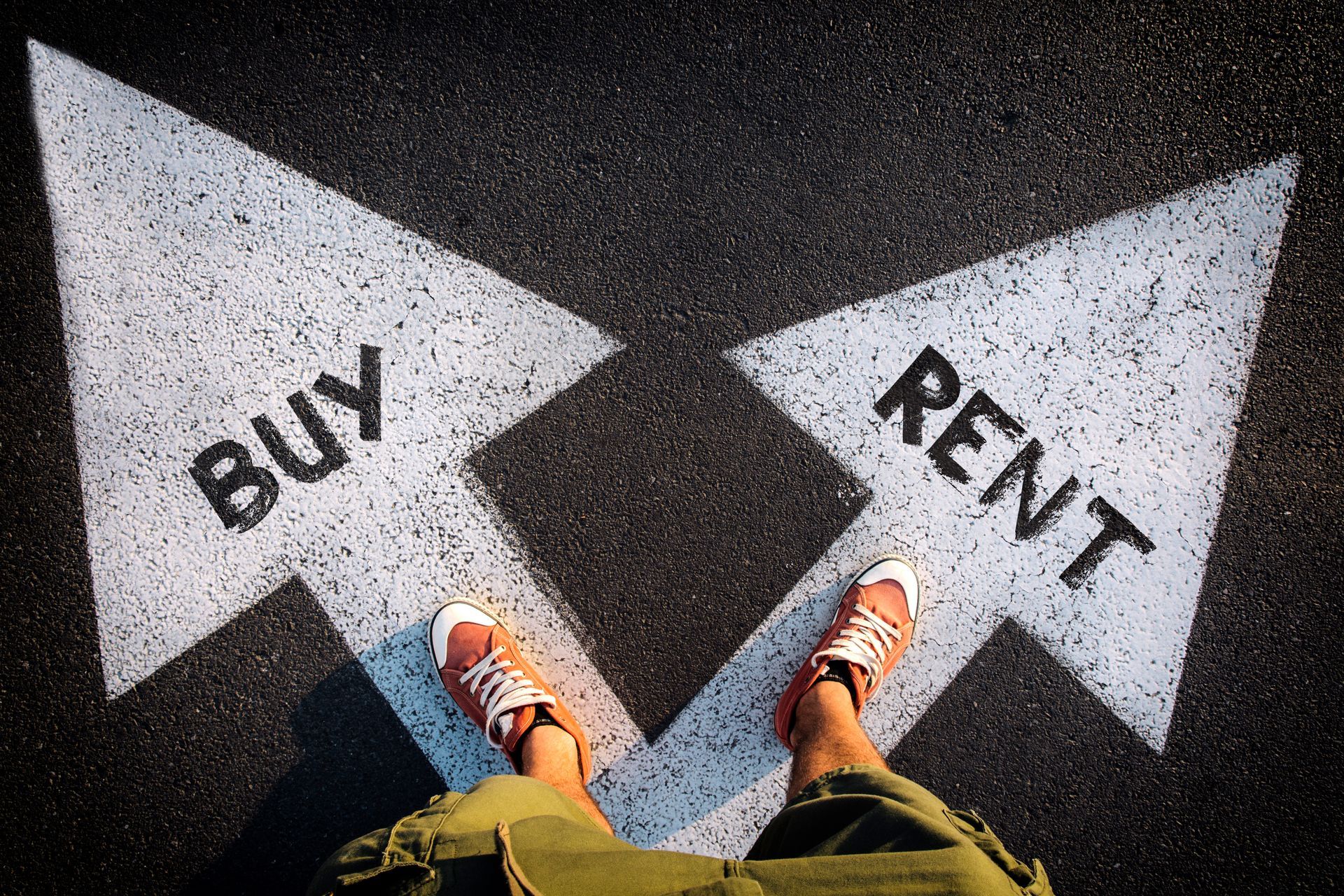
Buying a Home: Building Equity
When you buy, your monthly mortgage payments don’t just cover your housing — they help you build equity (ownership) in your home over time. Unlike rent, which goes to your landlord, a portion of every mortgage payment goes toward owning more of your property.
- Pros: You’re investing in your future, locking in housing costs, and may benefit from tax deductions on mortgage interest.
- Cons: Upfront costs like the down payment, closing fees, and maintenance can add up quickly.
Renting a Home: Flexibility and Low Commitment
Renting allows you to stay mobile. If you’re unsure where you’ll be in the next few years, or not ready for long-term maintenance responsibilities, renting offers freedom and less financial pressure upfront.
- Pros: No property taxes, no maintenance bills, and the ability to move easily.
- Cons: Rent prices can increase, and you’re building your landlord’s equity, not your own.

Maintenance and Responsibilities
Owning a home means you’re in charge of all upkeep — from mowing the lawn to fixing leaky faucets. While that gives you full control over your space, it also comes with added time and expense.
Renters, on the other hand, typically call the landlord when something breaks. But with that convenience comes less control — you can’t always upgrade appliances, paint walls, or personalize your space as you’d like.

Long-Term Stability
Buying is often viewed as a long-term wealth-building tool. Over time, home values tend to appreciate, and as you pay down your mortgage, you’re growing your net worth.
Renting can make more sense in the short term — especially if you’re saving for a down payment, improving your credit, or testing out a new area before committing.
So… Which Is Right for You?
Here’s a quick guide:
Buying: If you value long-term stability, building equity, and freedom to customize your space, buying may be the better fit.
Selling: If you prefer
lower upfront costs,
flexibility to move, and
minimal maintenance responsibilities,
renting might be the smarter choice.
💡Final Thoughts
There’s no wrong answer — just the one that fits your current stage in life. Buying can be a powerful step toward financial independence, while renting can provide flexibility and breathing room until you’re ready to take that leap.
As your real estate agent, I can help you weigh your options, run the numbers, and create a plan that works for you. Whether you’re ready to buy now or preparing for the future, I’m here to guide you every step of the way.
FAQs
Still unsure whether renting or buying is the right move for you? These quick FAQs break down the questions most buyers and renters ask so you can make a confident, informed decision.
Is buying always better than renting?
Not necessarily. Buying helps you build equity and provides long-term stability, but renting offers flexibility with fewer responsibilities. The best choice depends on your finances, timeline, and lifestyle.
How long should I plan to live somewhere before buying makes sense?
A general rule is 3–5 years or longer. This helps offset upfront costs like closing fees and gives time for potential appreciation. If you plan to move sooner, renting may be the smarter financial decision.
What upfront costs come with buying a home?
Buyers typically pay a down payment, closing costs, inspection fees, and appraisal fees. The exact amount depends on your loan type, market, and home price.
What upfront costs come with renting?
Most rentals require first month’s rent, a security deposit, application fees, and sometimes pet deposits. These costs are usually much lower than the upfront expenses of buying.
Does renting really mean I’m “throwing money away”?
Not at all. While renting doesn’t build equity, it provides flexibility and helps you avoid maintenance and repair expenses. Renting can be the better fit for those saving, relocating often, or undecided about long-term plans.
How do I know if I’m financially ready to buy?
You’re likely ready if you:
- Have steady income
- Understand what you can afford monthly
- Have savings for a down payment + closing costs
- Maintain a strong credit score
If not, renting while you prepare can be a smart choice.
Are there tax benefits to owning a home?
Yes — homeowners may be eligible for mortgage interest and property tax deductions. Speak with a tax professional to see how these apply to you.
Is renting better if I might relocate soon?
Yes. If you expect to move within a few years — for school, work, or lifestyle reasons — renting gives you the flexibility you need without the commitment of selling a home later.
What’s the biggest downside of renting?
Rent increases and lack of equity. Unlike a fixed mortgage, rent can go up regularly, and monthly payments don’t contribute to ownership.
Can I prepare to buy even if I’m renting now?
Absolutely! Many renters use this time to:
- Improve their credit
- Save for a down payment
- Research neighborhoods
- Learn about the mortgage process
This preparation can make the transition into homeownership much smoother.
Who can help me decide whether renting or buying is right for me?
A knowledgeable real estate agent or lender can talk through your goals, finances, and timeline to help you make an informed decision — and plan for the future, whichever path you choose.
Resources
Disclaimer: This page is for informational purposes only and is not legal, tax, or financial advice. Program details, eligibility, and links may change; contact the program or a licensed professional to confirm current terms.
Georgia Dream Homeownership Program (Georgia DCA)
Offers fixed-rate mortgages plus down payment and closing cost assistance for eligible buyers; DCA also requires/coordinates homebuyer education for program users and lists participating lenders and counseling agencies.
Georgia DCA Homebuyer Education (E-Home America + partner agencies)
Describe the item or answer the question so that site visitors who are interested get more information. You can emphasize this text with bullets, italics or bold, and add links.HomeFirst Housing Resource / local HUD-approved workshops:
Homebuyer classes that walk through budgeting, credit, choosing a Realtor, contracts, inspections, down payment grants, mortgage process, and post-purchase topics, usually with a completion certificate that lenders and assistance programs accept.
Consumer Credit Counseling Service (CCCS) in Georgia
Free or low-cost one-on-one counseling on credit, debt, and the mortgage process specifically tailored to first-time buyers in Georgia.
HUD-approved housing counseling agency locator
Lets buyers find Georgia agencies that provide pre-purchase counseling, help review credit and budget, and explain loan options and fair housing rights.
HUD general homebuyer information
Plain-language guides on getting mortgage-ready, comparing loan products (FHA, VA, USDA, conventional), and understanding fair housing protections that apply in Georgia as well.
City of Atlanta and other city/County DPA programs
Atlanta, for example, offers first-time buyer down payment and closing cost assistance up to a set cap for income-eligible residents; similar programs exist in other Georgia cities and counties with grants, forgivable loans, or deferred loans.
Lender-based first-time buyer offerings in GA
Many lenders operating in Georgia layer their own grants or discounted rates on top of Georgia Dream or city programs; buyers can find these through lender sites or curated state lists of “first-time buyer programs.”
Title or Question
Describe the item or answer the question so that site visitors who are interested get more information. You can emphasize this text with bullets, italics or bold, and add links.
Insights to fuel your marketing business
Sign up to get industry insights, trends, and more in your inbox.
Contact Us
We will get back to you as soon as possible.
Please try again later.
SHARE THIS
Latest Posts